Performed by Dr. Sriharsha Gurram at Dr Sriharsha Gurram
Dialysis Catheter Insertion in Bengaluru is a vital procedure that establishes temporary or permanent vascular access for patients requiring hemodialysis. This minimally invasive intervention allows effective blood filtration when kidney function is severely compromised. Dr Sriharsha Gurram, a skilled nephrologist, performs this procedure with precision, ensuring optimal catheter placement and patient safety throughout the process.
We believe in honest, upfront disclosure so you can make an informed decision.
A step-by-step look at what happens during this procedure.
The nephrologist identifies the optimal insertion site, typically the internal jugular vein in the neck, subclavian vein in the chest, or femoral vein in the groin, based on patient anatomy and dialysis needs.
Local anaesthetic is administered to numb the insertion area, ensuring patient comfort throughout the procedure while maintaining consciousness and cooperation.
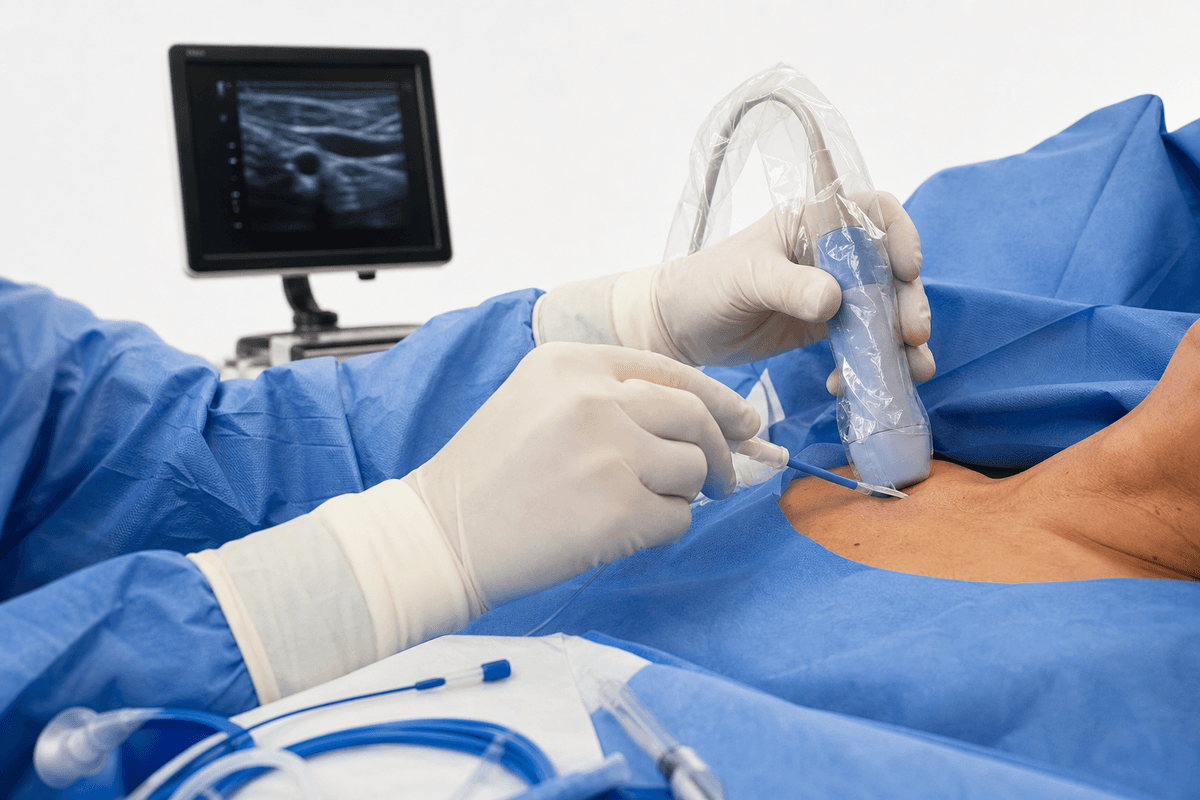
Real-time ultrasound imaging is used to visualize the target vein and guide needle insertion, minimizing complications and ensuring accurate vessel cannulation.
A guidewire is inserted through the needle, followed by dilators to create a tract. The dual-lumen dialysis catheter is then advanced over the wire into the correct position within the large vein.
The catheter is secured with sutures and a sterile dressing is applied. Proper placement is confirmed through blood aspiration from both lumens and may be verified with a chest X-ray for jugular or subclavian catheters.
A structured, patient-first approach from first consultation to full recovery.
Dr Sriharsha Gurram conducts thorough evaluation including vascular assessment, review of previous access history, and identification of the most suitable insertion site based on individual patient anatomy and clinical condition.
Using advanced ultrasound technology, Dr Gurram ensures real-time visualization during catheter insertion, significantly reducing complication rates and optimizing catheter placement for effective dialysis.
Dr Sriharsha Gurram follows strict sterile protocols with full barrier precautions, chlorhexidine skin preparation, and meticulous aseptic technique to minimize infection risk and ensure patient safety.
After catheter placement, Dr Gurram provides detailed care instructions, schedules appropriate follow-up, and ensures the catheter is properly functioning before the first dialysis session, with ongoing monitoring for complications.
What to expect at each stage of your recovery journey.
Patients rest for 1-2 hours post-procedure with monitoring for bleeding or complications. The insertion site should remain dry and covered. Mild discomfort is normal and can be managed with over-the-counter pain relief. Most patients resume normal activities the same day with restrictions on heavy lifting.
The catheter site should be kept clean and dry between dialysis sessions. Patients should watch for signs of infection such as redness, swelling, or discharge. Dressing changes are performed by trained healthcare staff using sterile technique. Light activities are permitted but contact sports and swimming should be avoided.
Regular catheter care is essential for long-term function and infection prevention. Patients receive dialysis as scheduled, typically 3 times weekly. The catheter is locked with heparin or citrate solution between sessions to prevent clotting. Regular monitoring for catheter-related complications ensures early intervention when needed.
The catheter provides immediate vascular access for hemodialysis, allowing prompt initiation of renal replacement therapy for patients with acute or chronic kidney failure requiring urgent treatment.
The dual-lumen catheter enables adequate blood flow rates (typically 300-400 ml/min) necessary for effective dialysis, helping remove toxins, excess fluid, and maintain electrolyte balance in patients with kidney failure.
For many patients, the dialysis catheter serves as temporary access while awaiting arteriovenous fistula or graft maturation, providing essential dialysis support during the transition period of 2-4 months.
By enabling regular dialysis sessions, the catheter helps control uremic symptoms, fluid overload, and electrolyte imbalances, significantly improving patient well-being and allowing continuation of daily activities while managing kidney disease.
Let's clear up some of the most common myths about dialysis catheter insertion.
Get a personalised assessment from an experienced specialist. Understand your options, ask your questions, and decide with confidence.
Consult Sriharsha Gurram for Dialysis Catheter Insertion at any of these 2 centres — pick the one nearest you.