Treated by Dr. Sriharsha Gurram at Dr Sriharsha Gurram
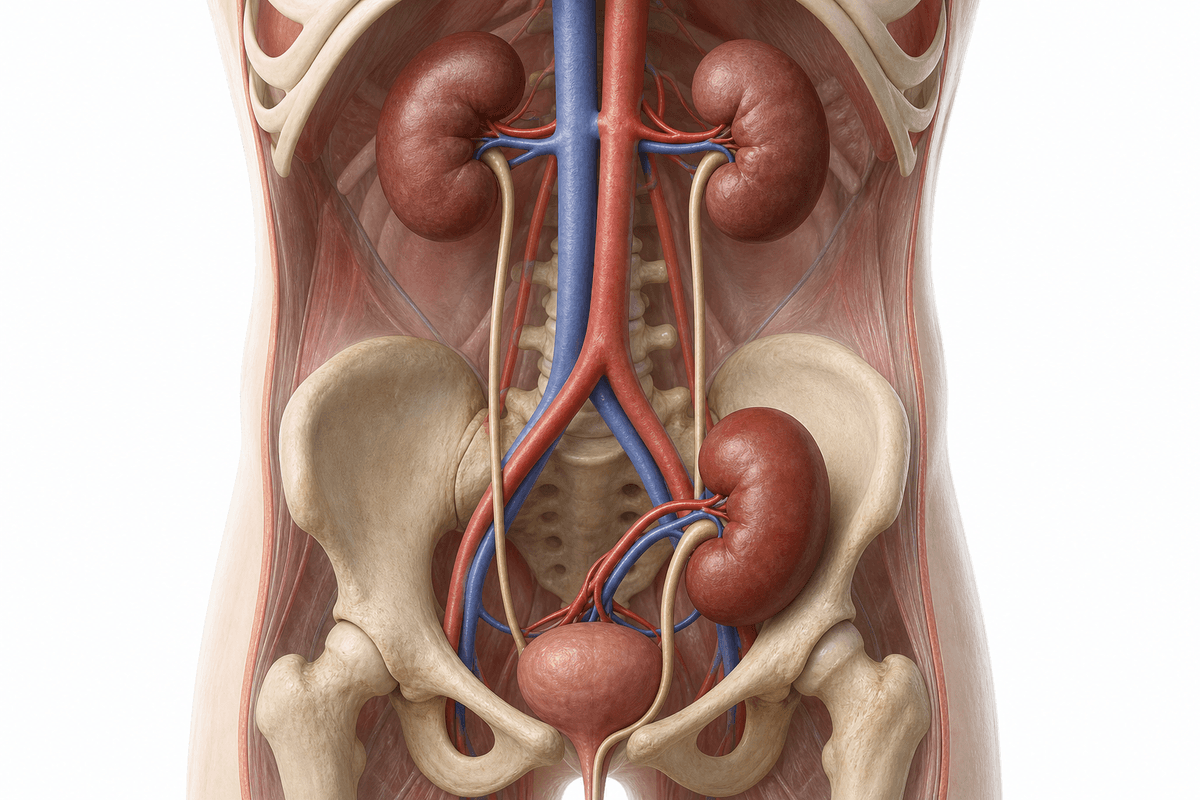
Kidney transplantation in Bengaluru is a life-saving surgical procedure that replaces a diseased kidney with a healthy one from a living or deceased donor. This treatment is recommended for patients with end-stage renal disease who have exhausted other treatment options like dialysis. Dr Sriharsha Gurram provides comprehensive pre-transplant evaluation, post-transplant management, and long-term follow-up care for kidney transplant recipients.
Kidney transplant from a living donor, typically a family member or compatible volunteer. Offers better outcomes with planned surgery timing and immediate organ function in most cases.
Kidney transplant from a brain-dead or cardiac-dead donor through organ donation programs. Requires waiting list registration and matching based on blood type, tissue compatibility, and medical urgency.
Kidney transplant performed before the patient requires dialysis. Provides optimal outcomes by avoiding dialysis-related complications and preserving overall health status for surgery.
Multiple factors can contribute to the development and progression of this condition.
Kidney Transplantation develops gradually. Recognising symptoms early gives you more treatment options.
From conservative to surgical — we always start with the least invasive option first.
A structured, patient-first approach from first visit to full recovery.
Dr Sriharsha Gurram conducts thorough medical assessment including cardiac workup, infection screening, immunological testing, and evaluation of potential living donors to ensure optimal transplant candidacy and success.
Dr Gurram coordinates with transplant surgeons and manages the entire perioperative period, including induction immunosuppression protocols, immediate post-operative care, and monitoring for early complications or delayed graft function.
Dr Gurram designs individualized immunosuppressive regimens based on immunological risk, monitors drug levels regularly, and adjusts medications to balance rejection prevention with minimizing side effects and infection risks.
Dr Gurram provides continuous monitoring through regular blood tests, protocol biopsies when indicated, management of complications, and optimization of cardiovascular risk factors to ensure long-term graft survival and patient wellbeing.
What to expect at each phase of recovery.
Hospital stay of 7-10 days with intensive monitoring of kidney function, fluid balance, and immunosuppression. Daily blood tests to assess graft function and detect early complications. Gradual mobilization and education on medication adherence.
Frequent outpatient visits for monitoring kidney function, adjusting immunosuppressive medications, and managing complications. Gradual return to normal activities with dietary modifications. Protocol biopsies may be performed to detect subclinical rejection.
Regular follow-up visits every 1-3 months with monitoring of kidney function, drug levels, and screening for infections and malignancies. Patients typically resume normal lifestyle with continued medication adherence and healthy living practices.
Living donor transplants show 95% one-year and 80-85% five-year graft survival. Deceased donor transplants achieve 90% one-year and 70-75% five-year survival with proper management and adherence.
Successful transplantation eliminates the need for regular dialysis sessions, allowing patients to regain independence, return to work, and enjoy significantly improved quality of life without dietary and fluid restrictions.
Kidney transplant recipients experience better survival compared to remaining on dialysis, with studies showing 10-15 year increased life expectancy and marked improvement in physical functioning and psychological wellbeing.
A well-functioning transplanted kidney provides near-normal filtration, eliminates uremic symptoms, corrects anemia, and allows better control of blood pressure and mineral metabolism compared to dialysis therapy.
Without kidney transplantation, patients with end-stage renal disease must remain on lifelong dialysis, which is associated with reduced quality of life, dietary restrictions, significant time commitment, and higher mortality risk. Long-term dialysis increases risk of cardiovascular disease, infections, malnutrition, and progressive decline in physical function. Patients experience ongoing symptoms of uremia and have limited ability to work or travel compared to transplant recipients.
Consult Dr Sriharsha Gurram if you have chronic kidney disease with GFR below 20 ml/min, are currently on dialysis and wish to explore transplant options, or have a potential living donor for evaluation. Early referral for transplant evaluation is recommended when kidney function declines to stage 4-5 chronic kidney disease to allow adequate time for assessment and planning. Seek immediate care if you experience fever, reduced urine output, or graft tenderness after transplantation.
Early treatment means more options and better outcomes. Book a consultation to understand your condition and explore the right path forward.
Consult Sriharsha Gurram for Kidney Transplantation at any of these 2 centres — pick the one nearest you.