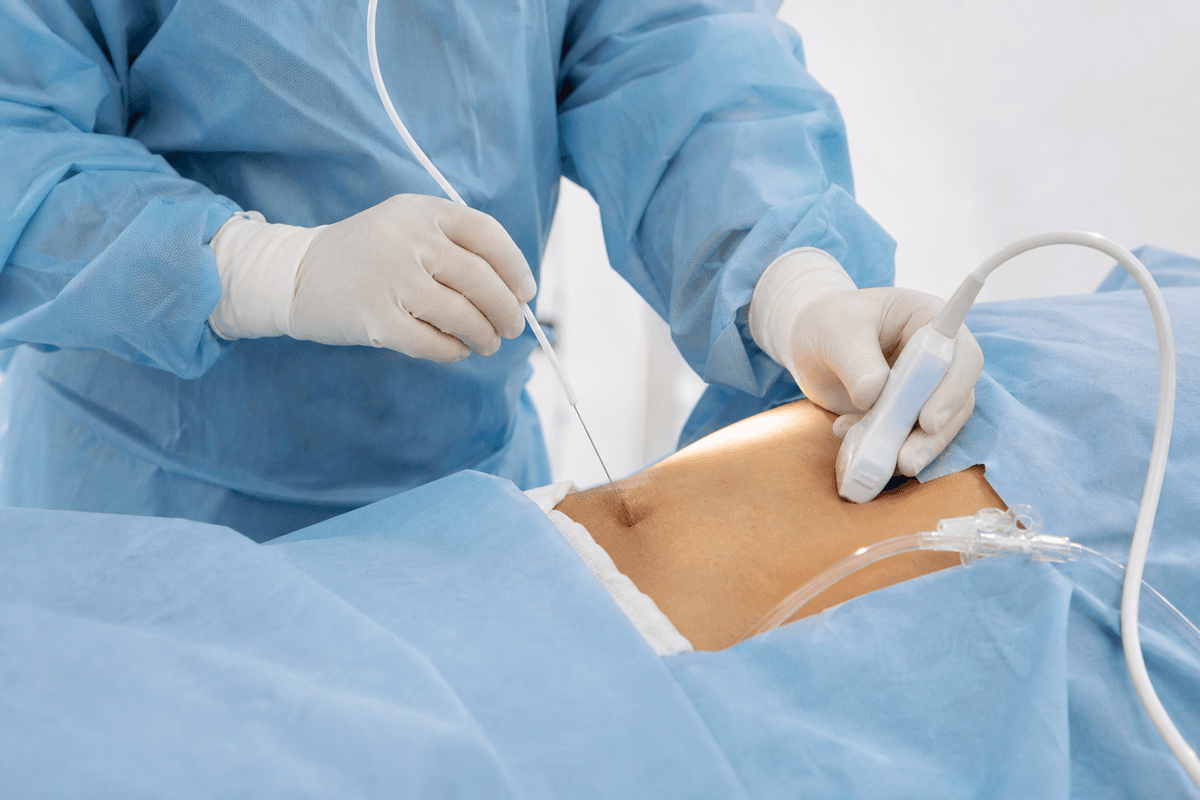
Performed by Dr. Sriharsha Gurram at Dr Sriharsha Gurram
CAPD Catheter Insertion in Bengaluru is a specialized surgical procedure that places a permanent catheter into the abdominal cavity to enable Continuous Ambulatory Peritoneal Dialysis for patients with end-stage kidney disease. This minimally invasive technique provides reliable long-term dialysis access, allowing patients greater independence in managing their kidney failure treatment. Dr Sriharsha Gurram, an experienced nephrologist, performs this procedure with precision and comprehensive post-operative care.
We believe in honest, upfront disclosure so you can make an informed decision.
A step-by-step look at what happens during this procedure.
The patient is positioned supine and the surgical site on the lower abdomen is cleaned and draped. Appropriate anaesthesia (local with sedation or general) is administered based on patient condition and preference.
A small incision is made in the lower abdomen, typically in the midline or paramedian location. The subcutaneous tissue is carefully dissected to access the anterior rectus sheath and peritoneum.
The peritoneal cavity is accessed and the CAPD catheter with its Dacron cuffs is tunneled through the abdominal wall. The intraperitoneal portion of the catheter is positioned deep in the pelvis pointing toward the sacrum for optimal fluid drainage.
The internal and external Dacron cuffs are positioned correctly to promote tissue ingrowth and prevent infection. The catheter exit site is created through a separate tunnel, usually directed laterally or inferiorly from the peritoneal entry site.
Catheter function is tested by infusing and draining dialysate solution to ensure proper flow and absence of leaks. The incision is closed in layers and the exit site is secured with appropriate dressing.
A structured, patient-first approach from first consultation to full recovery.
Dr Sriharsha Gurram conducts thorough evaluation including assessment of abdominal anatomy, previous surgeries, and overall fitness for the procedure. Detailed counseling about peritoneal dialysis and catheter care is provided to ensure patient understanding and preparedness.
Using meticulous surgical methods and appropriate imaging guidance when needed, Dr Gurram ensures optimal catheter placement with minimal trauma. The procedure is performed with attention to preventing complications and ensuring long-term catheter function.
Patients are closely monitored for catheter function, wound healing, and any immediate complications. Initial dialysate exchanges may be performed to test catheter patency and patient comfort before discharge.
Dr Sriharsha Gurram provides comprehensive follow-up including catheter exit site monitoring, training for home peritoneal dialysis, and regular assessment for any complications. Ongoing support ensures successful long-term dialysis outcomes.
What to expect at each stage of your recovery journey.
Patients experience mild to moderate incisional pain managed with analgesics. The catheter exit site requires daily dressing changes and must be kept clean and dry. Activity is limited to avoid catheter displacement, with no heavy lifting or strenuous activity permitted.
The Dacron cuffs begin tissue ingrowth to secure the catheter and create a bacterial barrier. Exit site healing progresses with reduced drainage and tenderness. Gradual increase in light activities is permitted while avoiding direct pressure on the catheter site.
Once the catheter is fully healed and matured, peritoneal dialysis training begins with small volume exchanges. Patients learn proper technique for connecting and disconnecting, recognizing complications, and maintaining sterile procedures. Full dialysis prescription is gradually implemented based on individual needs.
The CAPD catheter provides reliable, long-term access for peritoneal dialysis with excellent clearance of waste products and fluid removal. Most catheters remain functional for several years with proper care and maintenance.
Patients gain independence through home-based dialysis without the need for frequent hospital visits. The continuous nature of peritoneal dialysis provides more stable blood chemistry and better preservation of residual kidney function compared to intermittent hemodialysis.
Continuous ambulatory peritoneal dialysis is gentler on the cardiovascular system with gradual fluid and solute removal. This results in better blood pressure control and fewer hemodynamic fluctuations compared to hemodialysis.
Peritoneal dialysis patients typically have fewer dietary restrictions regarding fluid and potassium intake. The continuous nature of treatment allows for more liberal nutrition and improved nutritional status.
Let's clear up some of the most common myths about capd catheter insertion.
Get a personalised assessment from an experienced specialist. Understand your options, ask your questions, and decide with confidence.
Consult Sriharsha Gurram for CAPD Catheter Insertion at any of these 2 centres — pick the one nearest you.