Treated by Dr. Sriharsha Gurram at Dr Sriharsha Gurram
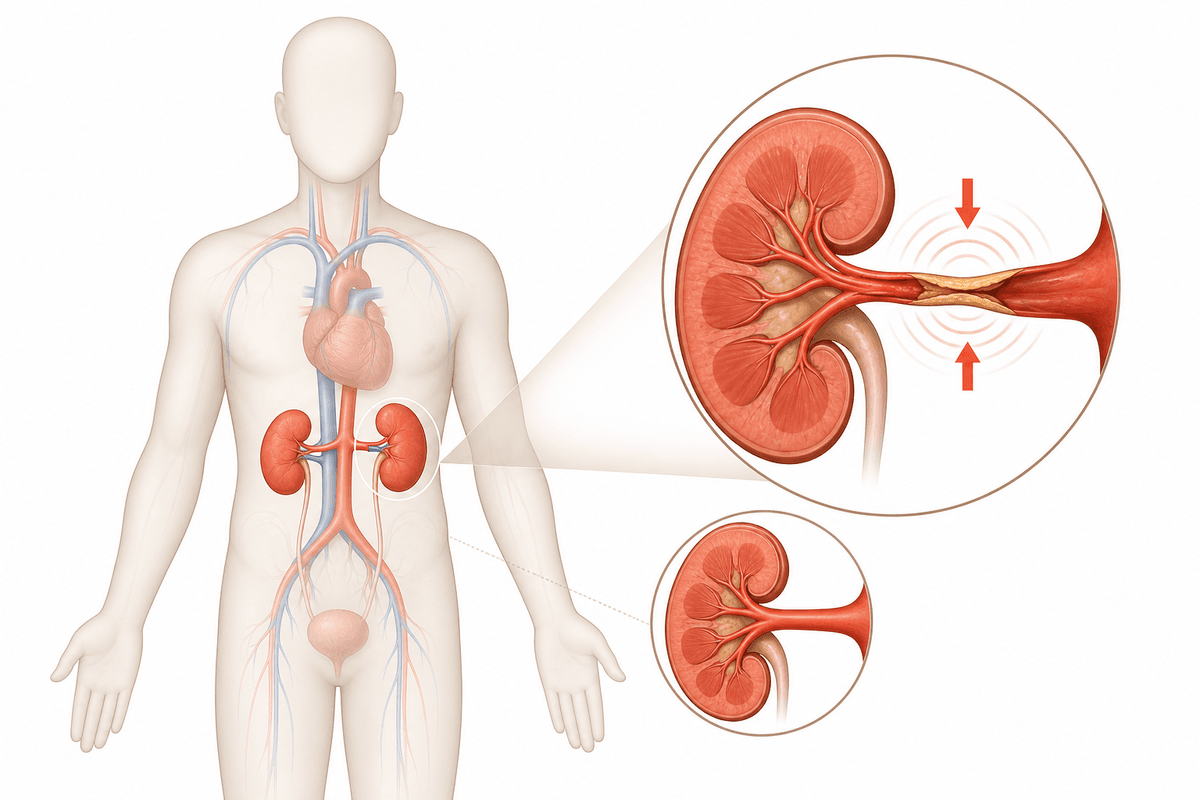
Renal Hypertension, also known as renovascular hypertension, is high blood pressure caused by narrowing of the arteries that carry blood to the kidneys, commonly diagnosed and treated in Bengaluru. This condition occurs when reduced blood flow to the kidneys triggers hormonal changes that elevate blood pressure throughout the body. Dr Sriharsha Gurram provides comprehensive nephrology care for patients with renal hypertension, utilizing advanced diagnostic tools and evidence-based treatment protocols.
The most common form, caused by plaque buildup in the renal arteries, typically affecting older adults with cardiovascular risk factors. Accounts for approximately 90% of renovascular hypertension cases and usually involves the proximal portion of the renal artery.
A non-atherosclerotic condition characterized by abnormal cellular growth in the arterial walls, predominantly affecting younger women. This type creates a characteristic 'string of beads' appearance on imaging and typically involves the middle and distal portions of the renal arteries.
Elevated blood pressure resulting from chronic kidney disease, polycystic kidney disease, or other intrinsic renal parenchymal disorders. This form develops due to impaired kidney function, fluid retention, and activation of the renin-angiotensin-aldosterone system independent of arterial narrowing.
Multiple factors can contribute to the development and progression of this condition.
Renal Hypertension develops gradually. Recognising symptoms early gives you more treatment options.
From conservative to surgical — we always start with the least invasive option first.
A structured, patient-first approach from first visit to full recovery.
Dr Sriharsha Gurram conducts thorough clinical assessment including detailed history, physical examination for abdominal bruits, and baseline laboratory testing. Advanced imaging with renal artery Doppler ultrasound, CT angiography, or MR angiography is ordered to visualize arterial anatomy and quantify stenosis severity.
Based on diagnostic findings, Dr Gurram develops a personalized management strategy considering stenosis type, severity, kidney function, and cardiovascular risk profile. Treatment plans balance medical management with interventional options, prioritizing patient-specific goals and preferences.
Dr Gurram initiates targeted antihypertensive therapy with careful selection of agents appropriate for the degree of renal artery stenosis. Regular follow-up appointments monitor blood pressure control, renal function trends, electrolyte balance, and medication tolerability with dose adjustments as needed.
For patients requiring renal angioplasty or surgical intervention, Dr Gurram coordinates with interventional radiology or vascular surgery teams while providing pre-procedure optimization and post-procedure nephrology care. Ongoing surveillance includes monitoring for restenosis, progressive kidney disease, and cardiovascular complications.
What to expect at each phase of recovery.
Following diagnosis, patients begin medical therapy with close monitoring of blood pressure response and renal function over 2-4 weeks. Medication adjustments are made to achieve target blood pressure while maintaining stable kidney function. For patients undergoing angioplasty, hospital observation for 24-48 hours is followed by gradual return to activities.
Over 3-6 months, treatment regimens are refined based on blood pressure trends, laboratory results, and symptom improvement. Patients work with Dr Gurram to optimize medication doses, implement lifestyle modifications, and establish sustainable self-management strategies. Repeat imaging may be performed to assess intervention success or disease progression.
Long-term management focuses on sustained blood pressure control, preservation of kidney function, and prevention of cardiovascular events. Regular follow-up visits every 3-6 months include blood pressure assessment, renal function testing, and monitoring for complications. Patients maintain lifelong commitment to medication adherence and healthy lifestyle practices.
Most patients achieve significant reduction in blood pressure with fewer medications required after successful treatment. Studies show 50-70% of patients experience cure or improvement of hypertension following appropriate intervention, reducing cardiovascular risk and improving quality of life.
Early diagnosis and treatment prevent progressive renal damage, with many patients maintaining stable kidney function long-term. Timely intervention in appropriate candidates can halt or slow the decline in glomerular filtration rate, potentially avoiding progression to end-stage kidney disease.
Effective management of renal hypertension significantly decreases the risk of heart attack, stroke, heart failure, and other cardiovascular complications. Blood pressure normalization reduces left ventricular hypertrophy and improves overall cardiovascular health outcomes.
Patients experience fewer hypertension-related symptoms including headaches, fatigue, and dizziness after successful treatment. Improved blood pressure control and kidney function preservation allow patients to maintain active lifestyles with reduced medication burden and fewer healthcare encounters.
Untreated renal hypertension leads to progressive kidney damage, potentially resulting in end-stage renal disease requiring dialysis or transplantation. The persistently elevated blood pressure causes severe cardiovascular complications including heart attack, stroke, heart failure, and accelerated atherosclerosis. Additionally, patients face increased risk of hypertensive emergencies, retinopathy with vision loss, and significant reduction in life expectancy.
Seek immediate consultation with Dr Sriharsha Gurram if you develop sudden onset of high blood pressure, especially before age 30 or after age 55, or if your blood pressure remains uncontrolled despite taking three or more medications. Urgent evaluation is warranted for symptoms of hypertensive crisis including severe headache, chest pain, shortness of breath, vision changes, or signs of declining kidney function such as reduced urine output or unexplained swelling.
Early treatment means more options and better outcomes. Book a consultation to understand your condition and explore the right path forward.
Consult Sriharsha Gurram for Renal Hypertension at any of these 2 centres — pick the one nearest you.