Treated by Dr. Sriharsha Gurram at Dr Sriharsha Gurram
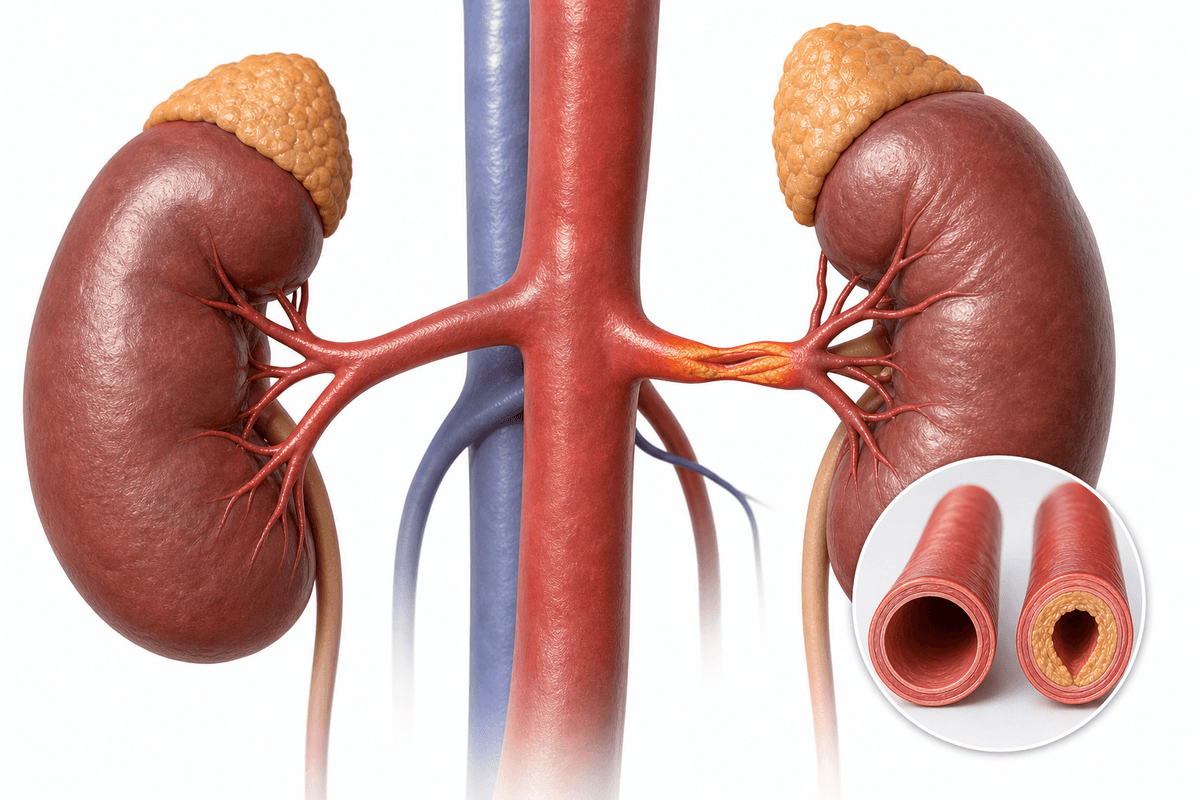
Renal Artery Stenosis in Bengaluru is a condition where the arteries carrying blood to the kidneys become narrowed or blocked, reducing blood flow and potentially causing high blood pressure and kidney damage. This vascular condition can lead to chronic kidney disease if left untreated, requiring specialized nephrology intervention. Dr Sriharsha Gurram provides comprehensive evaluation and management of renal artery stenosis with advanced diagnostic and treatment approaches.
The most common form, accounting for approximately 90% of cases, caused by plaque buildup in the renal arteries, typically affecting older adults and those with cardiovascular risk factors like diabetes, high cholesterol, and smoking history.
A non-atherosclerotic condition affecting younger patients, particularly women under 50, characterized by abnormal cell growth in the arterial walls causing a beaded appearance on imaging and often affecting multiple renal arteries.
Less common form resulting from inflammatory conditions like Takayasu arteritis or polyarteritis nodosa, where autoimmune inflammation damages the renal artery walls, leading to stenosis and requiring immunosuppressive therapy alongside vascular management.
Multiple factors can contribute to the development and progression of this condition.
Renal Artery Stenosis develops gradually. Recognising symptoms early gives you more treatment options.
From conservative to surgical — we always start with the least invasive option first.
A structured, patient-first approach from first visit to full recovery.
Dr Sriharsha Gurram begins with detailed history, physical examination, and orders Doppler ultrasound, CT angiography, or MR angiography to confirm stenosis location and severity, along with kidney function tests and cardiovascular risk assessment.
Based on stenosis type, severity, kidney function, and patient factors, Dr Gurram develops an individualized treatment strategy, determining whether medical management, revascularization, or combined approaches are most appropriate for optimal outcomes.
For patients requiring angioplasty or surgical revascularization, Dr Gurram coordinates with interventional radiologists and vascular surgeons, providing nephrology expertise throughout the procedure and ensuring proper pre and post-intervention kidney protection protocols.
Dr Sriharsha Gurram provides ongoing surveillance with regular kidney function monitoring, blood pressure optimization, imaging follow-up to assess treatment response, and adjustment of medical therapy to prevent progression and preserve kidney function long-term.
What to expect at each phase of recovery.
Following angioplasty or surgical intervention, patients undergo monitoring for complications, blood pressure stabilization, and kidney function assessment over 24-72 hours with gradual mobilization and medication adjustments as needed.
During the first 2-4 weeks, patients experience gradual improvement in blood pressure control, potential recovery of kidney function, medication titration, and return to normal activities with regular nephrology follow-up to monitor treatment response.
Ongoing management includes quarterly to bi-annual nephrology visits, periodic imaging surveillance to assess stent patency or graft function, cardiovascular risk factor modification, and medication optimization to maintain kidney function and prevent stenosis recurrence.
Majority of patients experience significant reduction in blood pressure with decreased medication requirements, particularly those with fibromuscular dysplasia, while atherosclerotic cases show variable but meaningful improvement in hypertension management.
Early intervention prevents progression to chronic kidney disease, with stabilization or improvement in estimated glomerular filtration rate (eGFR) in appropriately selected patients, particularly when stenosis is identified before irreversible kidney damage occurs.
Successful treatment combined with risk factor modification decreases incidence of heart failure, stroke, and cardiovascular mortality, as improved kidney perfusion and blood pressure control reduce overall cardiovascular burden.
Patients report improved wellbeing from better blood pressure control, reduced pill burden, decreased hospital visits for hypertensive crises or heart failure, and confidence in long-term kidney health with expert nephrology management.
Untreated renal artery stenosis leads to progressive kidney damage, eventually resulting in chronic kidney disease or end-stage renal disease requiring dialysis. Persistent high blood pressure causes cardiovascular complications including heart failure, stroke, and heart attack. Additionally, recurrent flash pulmonary edema episodes and accelerated atherosclerosis in other vascular beds significantly increase morbidity and mortality risk.
Seek immediate nephrology consultation if you develop new onset high blood pressure that is difficult to control with medications, unexplained decline in kidney function tests, or recurrent episodes of sudden shortness of breath. Early evaluation by Dr Sriharsha Gurram is crucial if you have resistant hypertension requiring three or more medications, asymmetric kidney size on imaging, or cardiovascular disease with worsening kidney function, as timely intervention can prevent irreversible kidney damage.
Early treatment means more options and better outcomes. Book a consultation to understand your condition and explore the right path forward.
Consult Sriharsha Gurram for Renal Artery Stenosis at any of these 2 centres — pick the one nearest you.