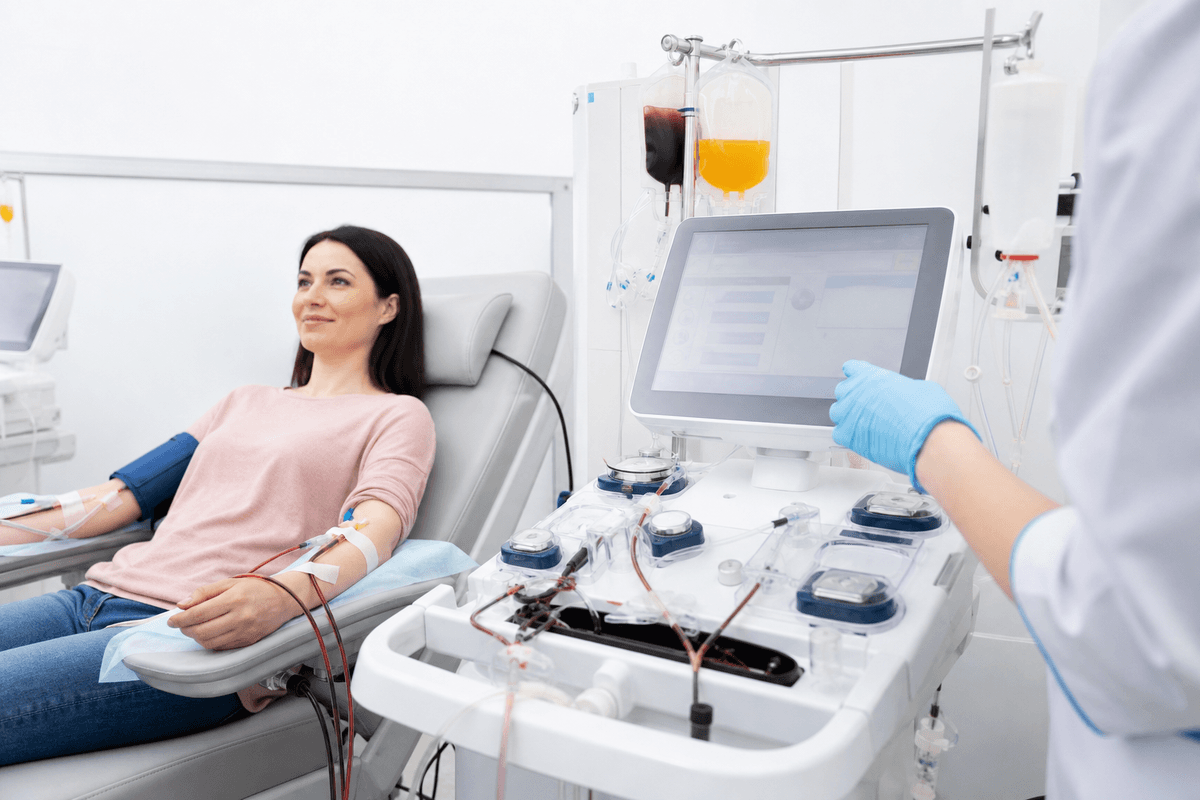
Performed by Dr. Sriharsha Gurram at Dr Sriharsha Gurram
Plasmapheresis in Bengaluru is an advanced blood purification procedure that removes harmful antibodies, immune complexes, and toxins from the bloodstream to treat various autoimmune and kidney-related conditions. This therapeutic technique is particularly effective for managing conditions like ANCA-associated vasculitis, Goodpasture syndrome, and other immune-mediated kidney diseases. Dr Sriharsha Gurram offers expert plasmapheresis treatment with state-of-the-art equipment and personalized nephrology care.
We believe in honest, upfront disclosure so you can make an informed decision.
A step-by-step look at what happens during this procedure.
A large-bore intravenous catheter or temporary dialysis catheter is inserted into a central vein, typically in the neck, chest, or groin area, to allow blood to flow in and out of the plasmapheresis machine.
Blood is withdrawn from the patient and passed through a cell separator machine that uses centrifugation or membrane filtration to separate plasma (containing harmful antibodies and toxins) from blood cells.
The separated plasma containing pathogenic antibodies, immune complexes, inflammatory mediators, and toxins is discarded and removed from the circulation.
The patient's blood cells are mixed with replacement fluids such as albumin, fresh frozen plasma, or saline solution to maintain blood volume and restore essential proteins and clotting factors.
The reconstituted blood with replacement fluid is returned to the patient through the same vascular access, completing one cycle. Multiple cycles may be performed in a single session to achieve the desired therapeutic effect.
A structured, patient-first approach from first consultation to full recovery.
Dr Sriharsha Gurram conducts a thorough evaluation including detailed medical history, physical examination, blood tests, coagulation studies, and assessment of kidney function to determine the appropriateness and customization of plasmapheresis treatment for each patient.
Based on the specific condition being treated, Dr Gurram designs an individualized plasmapheresis protocol including the number of sessions required, plasma volume to be exchanged, and the type of replacement fluid to be used for optimal therapeutic outcomes.
Throughout the plasmapheresis session, Dr Gurram and his specialized nephrology team continuously monitor vital signs, electrolyte levels, coagulation parameters, and patient comfort, making immediate adjustments to ensure safety and effectiveness.
After each session, Dr Sriharsha Gurram provides comprehensive post-procedure instructions, monitors for any adverse effects, schedules subsequent sessions as needed, and coordinates with other specialists to ensure complete and integrated care for the underlying condition.
What to expect at each stage of your recovery journey.
Patients may experience mild fatigue, dizziness, or tingling sensations immediately after the procedure. Rest is recommended for a few hours, and patients can typically resume normal activities the same day. Adequate hydration and monitoring for any signs of bleeding at the catheter site are important during this phase.
Most patients return to their regular routines within 24-48 hours. If multiple plasmapheresis sessions are scheduled, they are typically performed every 2-3 days. Patients should continue to monitor for side effects and maintain good nutrition and hydration to support recovery between sessions.
Follow-up appointments are scheduled to assess the effectiveness of plasmapheresis treatment through blood tests and clinical evaluation. Immunosuppressive medications or other treatments may be adjusted based on response. Regular monitoring of kidney function and antibody levels ensures sustained improvement and helps prevent relapse of the underlying condition.
Plasmapheresis effectively removes 60-80% of circulating antibodies and immune complexes in a single session, leading to rapid improvement in autoimmune conditions and reduction of inflammatory markers within days of treatment initiation.
Patients with rapidly progressive glomerulonephritis or antibody-mediated kidney rejection experience significant improvement in kidney function, with reduced creatinine levels and improved glomerular filtration rate in 70-85% of cases when combined with immunosuppressive therapy.
Early intervention with plasmapheresis in severe autoimmune kidney diseases can prevent irreversible kidney damage, reduce the need for dialysis, and preserve long-term renal function, significantly improving quality of life and long-term prognosis.
By rapidly removing harmful antibodies, plasmapheresis creates a favorable environment for immunosuppressive medications to work more effectively, leading to better disease control and reduced risk of relapse in conditions like vasculitis and transplant rejection.
Let's clear up some of the most common myths about plasmapheresis.
Get a personalised assessment from an experienced specialist. Understand your options, ask your questions, and decide with confidence.
Consult Sriharsha Gurram for Plasmapheresis at any of these 2 centres — pick the one nearest you.