Treated by Dr. Sriharsha Gurram at Dr Sriharsha Gurram
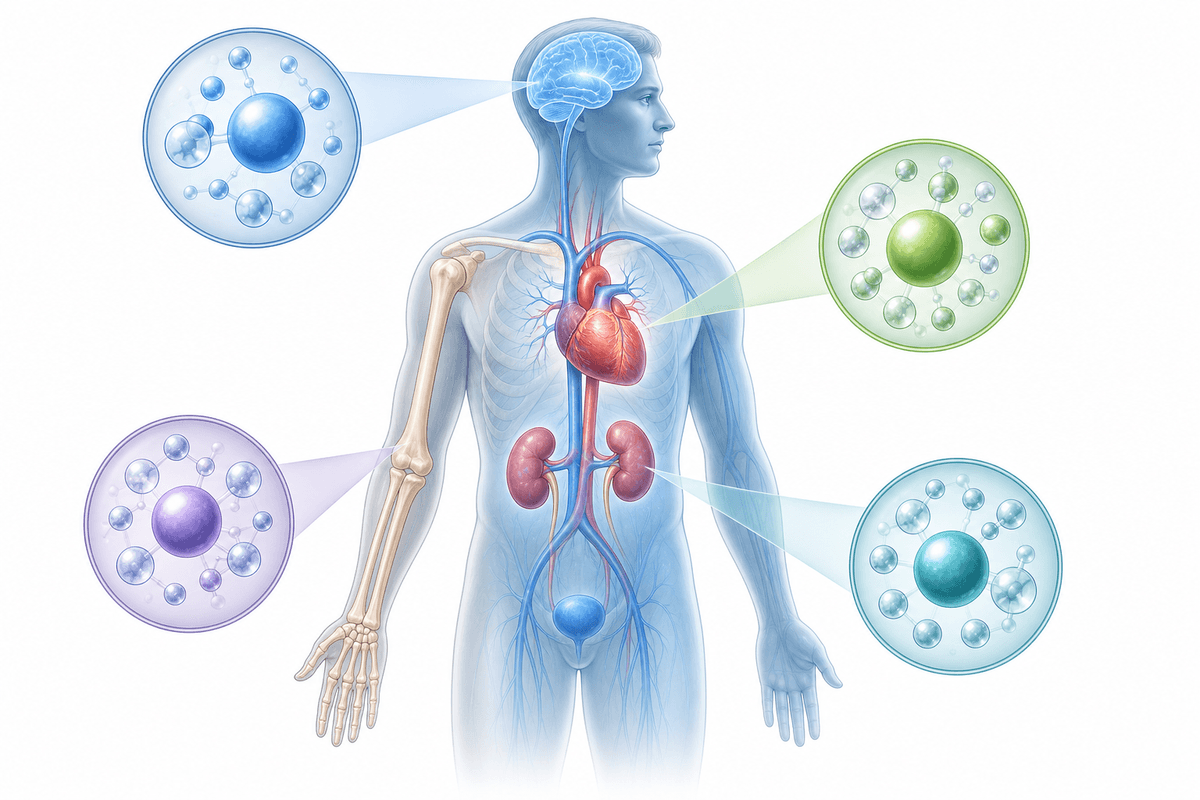
Electrolyte Disorders in Bengaluru involve abnormal levels of essential minerals like sodium, potassium, calcium, and magnesium in the blood, disrupting vital bodily functions. These imbalances can result from kidney disease, dehydration, medications, or hormonal disorders, affecting heart rhythm, muscle function, and neurological health. Dr Sriharsha Gurram provides comprehensive nephrology care for managing complex electrolyte disturbances with advanced diagnostic and treatment protocols.
Abnormal sodium levels affecting fluid balance and neurological function. Hyponatremia (low sodium) causes confusion and seizures, while hypernatremia (high sodium) leads to dehydration and altered mental status. Common in kidney disease, heart failure, and SIADH.
Abnormal potassium levels disrupting cardiac and muscle function. Hypokalemia causes muscle weakness and arrhythmias, while hyperkalemia can trigger life-threatening heart rhythm disturbances. Often associated with kidney dysfunction, medications, and endocrine disorders.
Imbalances in calcium and magnesium affecting bone health, muscle contraction, and nerve signaling. Hypocalcemia causes tetany and seizures, while hypercalcemia leads to kidney stones and confusion. Hypomagnesemia affects cardiac rhythm and muscle function.
Multiple factors can contribute to the development and progression of this condition.
Electrolyte Disorders develops gradually. Recognising symptoms early gives you more treatment options.
From conservative to surgical — we always start with the least invasive option first.
A structured, patient-first approach from first visit to full recovery.
Dr Sriharsha Gurram performs detailed blood tests measuring sodium, potassium, calcium, magnesium, phosphate, and chloride levels alongside kidney function markers, ECG evaluation, and thorough medical history review to identify underlying causes and severity.
Based on diagnostic findings, Dr Gurram develops individualized treatment protocols addressing immediate imbalances while targeting root causes such as kidney disease, medication effects, or hormonal disorders with evidence-based interventions.
Close monitoring during electrolyte correction with serial laboratory testing and cardiac surveillance ensures safe normalization rates, preventing complications like central pontine myelinolysis or cardiac arrhythmias while adjusting therapy as needed.
Dr Gurram establishes ongoing monitoring schedules, medication adjustments, dietary counseling, and patient education to maintain electrolyte balance, prevent recurrence, and manage chronic kidney disease or other underlying conditions effectively.
What to expect at each phase of recovery.
Initial correction of dangerous electrolyte levels with close monitoring in hospital or outpatient settings. Symptoms like weakness, arrhythmias, and confusion typically improve within 24-72 hours as levels normalize. Frequent blood tests guide treatment adjustments.
Transition to oral medications and dietary modifications with weekly or biweekly monitoring. Gradual optimization of kidney function and electrolyte homeostasis. Patient education on recognizing early warning signs and medication adherence.
Regular nephrology follow-ups every 1-3 months with periodic electrolyte panels and kidney function tests. Chronic kidney disease patients may require ongoing dialysis or continued medication adjustments. Prevention strategies minimize future imbalances.
Most acute electrolyte imbalances resolve completely with appropriate treatment, restoring normal bodily functions and eliminating symptoms when underlying causes are addressed effectively.
Patients with chronic kidney disease or ongoing medical conditions achieve stable electrolyte levels through regular monitoring, medication adherence, and dietary modifications, preventing dangerous complications.
Proper management eliminates debilitating symptoms like fatigue, muscle weakness, and cognitive impairment, allowing patients to resume normal daily activities and maintain independence.
Timely intervention prevents cardiac arrest, seizures, respiratory failure, and other critical complications associated with severe electrolyte disturbances, significantly improving survival and reducing hospitalization risks.
Untreated electrolyte disorders can progress to life-threatening complications including fatal cardiac arrhythmias, seizures, respiratory failure, and coma. Chronic imbalances accelerate kidney damage, bone disease, and cardiovascular dysfunction. Severe cases of hyperkalemia or severe hyponatremia require emergency intervention to prevent sudden death.
Seek immediate medical attention if experiencing irregular heartbeat, severe muscle weakness, confusion, seizures, or loss of consciousness. Schedule a nephrology consultation with Dr Sriharsha Gurram if you have chronic kidney disease, persistent fatigue, recurrent muscle cramps, or are taking medications known to affect electrolyte balance. Early intervention prevents complications and optimizes treatment outcomes.
Early treatment means more options and better outcomes. Book a consultation to understand your condition and explore the right path forward.
Consult Sriharsha Gurram for Electrolyte Disorders at any of these 2 centres — pick the one nearest you.